Table of Contents
So many play games for fun, right? But what about them even is the fun? What even is fun itself? It seems intuitive at first, but once you start thinking about it, it’s not so clear. Let me share my thoughts hey.
Different people find different things fun (duh). Some people don’t like Minecraft. Some people like chess. Some like watching movies, some like cycling. So… why is that? Fun clearly isn’t a general thing. Here’s what I think.
Defining fun
I think ultimately fun is the feeling of progress, of getting better, of seeing how we move forward. Learning to think. Being challenged, but just the right amount of challenge. Too much and it’s frustrating. Too little and it’s boring. We need to be challenged and then pass the challenges. But also from making things. Being creative. Seeing what we can make. Maybe in Chess you get a kick out of bamboozling your opponent with a strong move. In cycling you love the feeling of going fast, knowing it’s only your own strength moving you forward. When watching a movie you like hearing interesting ideas and following the plot, trying to anticipate it and then being surprised by what the writer can come up with. Maybe in Minecraft you build a cozy thing and let your imagination run freely. Perhaps you like planning and tinkering and theorizing.

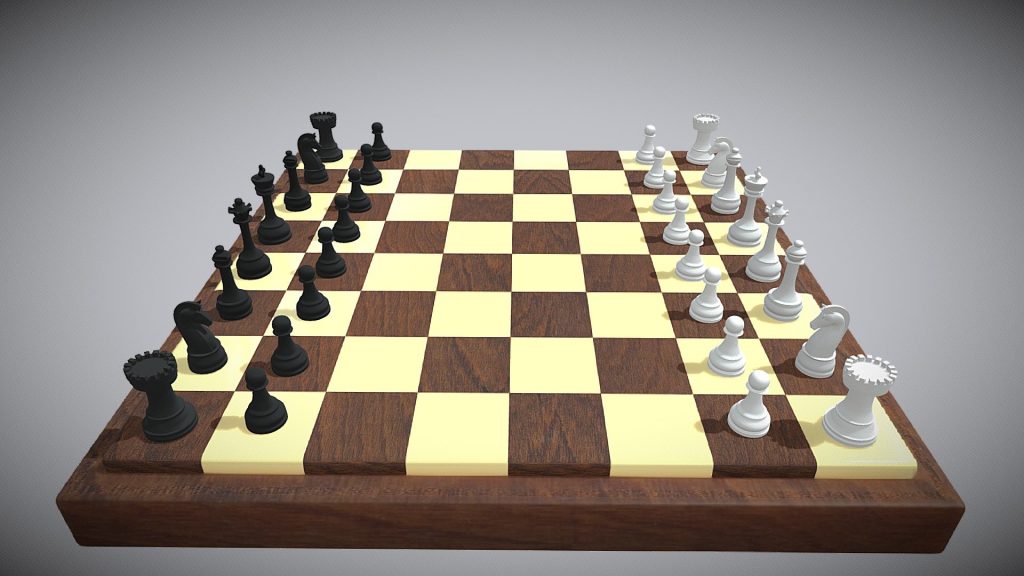

I think all of these things, at their core, indicate an improvement in some form. You’re getting better. And you’re earning it. I think this is, at it’s core, what fun is. Also experiencing new things. Growth in any form and direction.
When do you not have fun? When you feel like you’re wasting your time. You’re not doing anything useful, you just wait for something or perhaps have a bad time. You’re getting negative associations and emotions. You’re not growing but degrading.


The exploitation of fun
The catch: The illusion of growth. The illusion of progress. Addiction. Sunk cost Fallacy. Let me break it down one by one.
We set ourselves a goal and we work towards it. We then succeed or don’t and might try again. If we end up succeeding or getting further, we made progress, we learned. And we feel a sense of accomplishment, justification and fun. It feels rewarding. However, there’s another element. Whatever we did, what really got better are underlying skills. Either very specific to some thing like knowledge, or general skills like strength, speed, reflexes etc. An example: I ride a bicycle and I do a track in 1 hour. A month later I can do it in 50 minutes. I got better. Perhaps because I know the track better, perhaps the conditions were good, and perhaps because I gained strength and stamina. And this is the key. We gained a universal ability, being stamina. This helps us in other fields in our life as well.
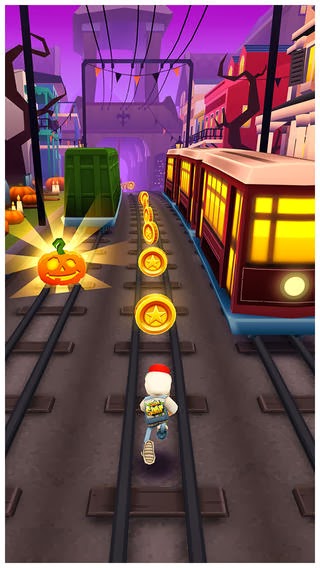
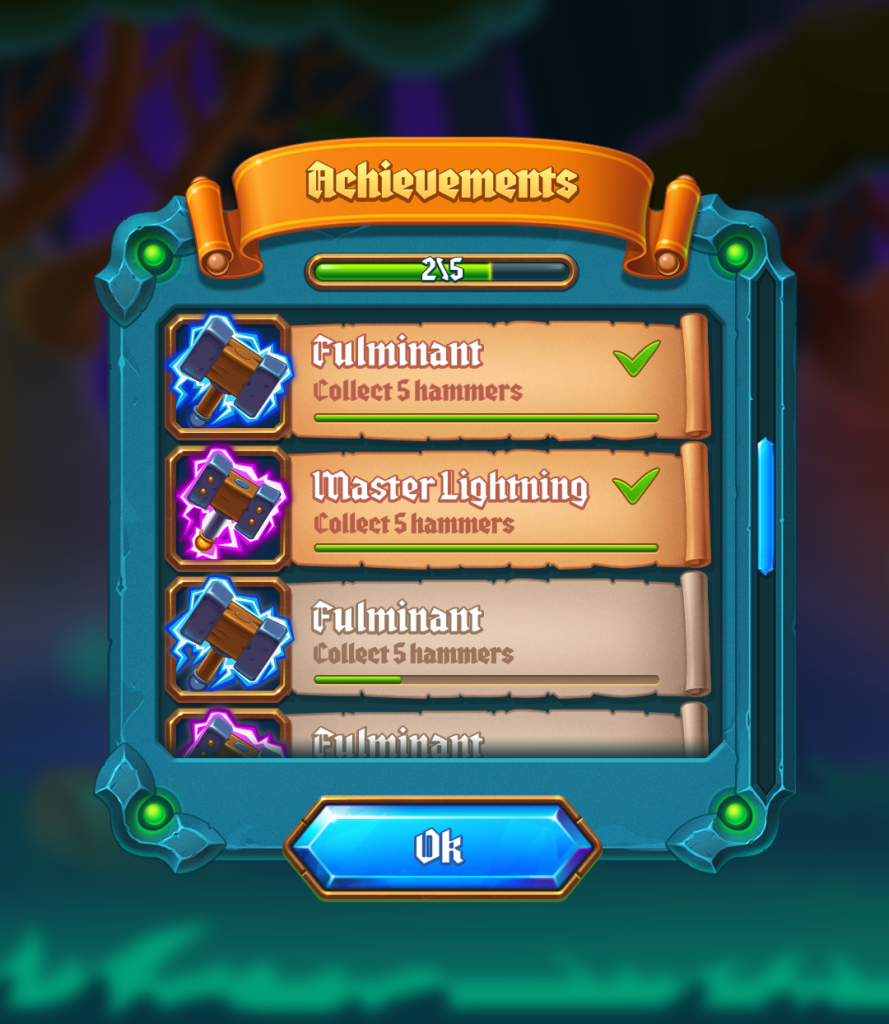
Now this feeling of progress can be exploited. The classic example are typical mobile games. You get hooked with numbers that go up. You collect items, get a bigger high-score and unlock things. You feel like you are getting better and making progress. But are you? They are many times so one dimensional (literally, only going up and down, or left and right) that you’re not really doing anything. The only skill you perhaps learn is reaction time. These games are engineered to create this illusion so that you get stuck in them, justifying wasting your time with making progress. But you’re not. You are, indeed, wasting your time. But it gets worse. Once you’re hooked you develop a form of sunk cost fallacy. You spend so much time, you want to get something out of it. So you keep going. Spend more time. Feel like you should get even more back. Games slow down, demanding more and more time and attention for marginal improvements or marginal pseudoprogress. But because you spent all this time, you don’t let go. The progress is the justification for it, so you need more. You are in a sense addicted to it. It’s a fallacy and backwards thinking. Instead of the proper way of “I make progress so I get further” it becomes “I need to get further, otherwise I’m not making progress”. So to satisfy that you start watching ads. Perhaps paying money. It doesn’t become about fun or improvement anymore, but about progress about seeing some number go up.
Sounds familiar, doesn’t it? Many of us have been there. I have, otherwise I wouldn’t know the feeling so well. But it’s good if we can understand and grasp it, to know what to avoid, but also to know what we should actually do.
Good fun
There very much are games which do help us. What I mentioned earlier, chess let’s us learn to think ahead in a sense, and think about “what if”. Minecraft let’s us be creative, it’s like the introduction into stuff like 3d Modeling or even CAD/Machining. Cycling gets us fit and from A to B, and movies… Similar to games, but it depends on the movie.

the bottom line
Whenever we do something that’s fun, we should ask, why is it fun? Are we gaining anything out of it? Or is it just an illusion?
Fun is progress and fulfillment, but this feeling can be exploited. Reflect and be aware what the case is, cut out bad stuff and focus on real achievements.
Leave a Reply